
Articles
Written by Kawin Jiaranaisakul

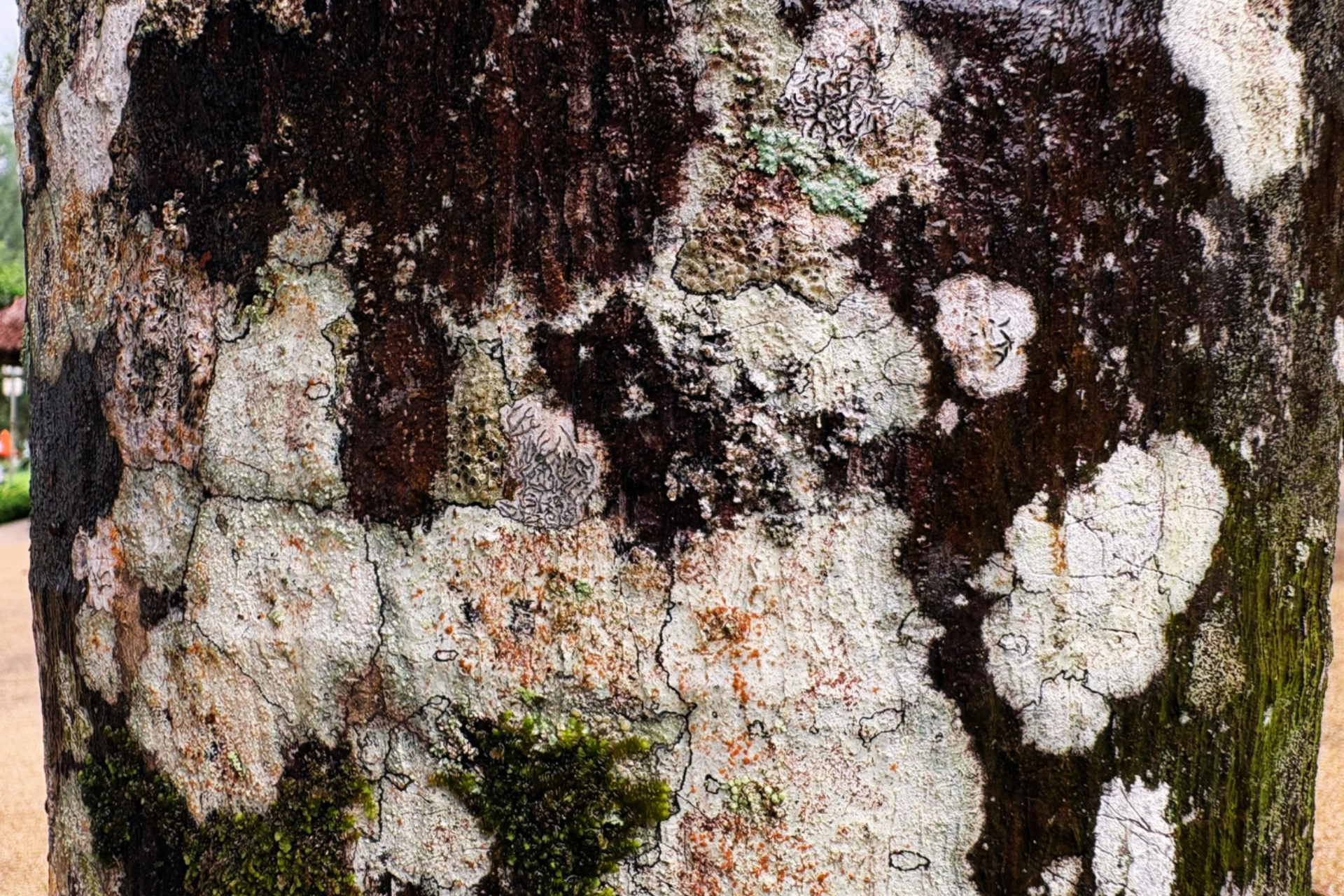
On a walk around Khao Lak, most people look up. Birds, butterflies, maybe a monitor lizard. But if you look at the bark right in front of you, you’ll often spot grey green patches, orange crusts, or thin threads hanging like a wispy beard. Those are lichens. Plenty of visitors assume they’re moss or some kind of mold, but they’re neither.
A lichen is a partnership between a fungus and an alga (sometimes a cyanobacterium instead). The fungus builds the body, grips the bark, and soaks up water and minerals. The alga does the photosynthesis and shares the sugars it makes. Each does better together than alone, which is how lichens manage to live on bare rock and tree bark where neither partner would last long. In 2016, researchers found that some lichens also carry a third partner, a yeast living in the outer layer. So the version many of us learned in school keeps getting more complicated.
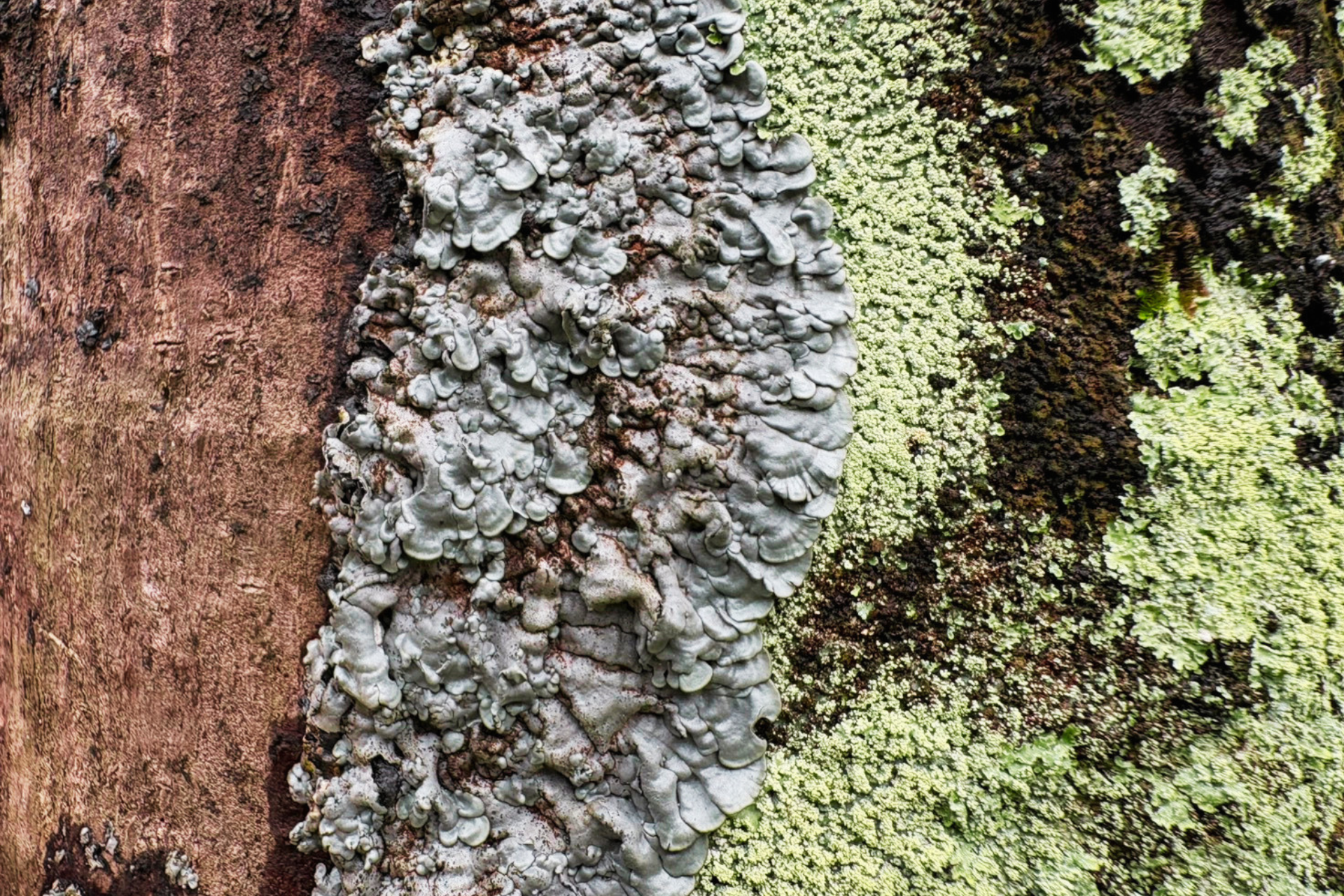
Lichens come in three main forms. Crustose lichens lie flat and tight against the surface, like a coat of paint. Foliose lichens are leafy, and you can sometimes lift their edges. Fruticose lichens are shrubby or stringy, branching out or dangling down from branches.
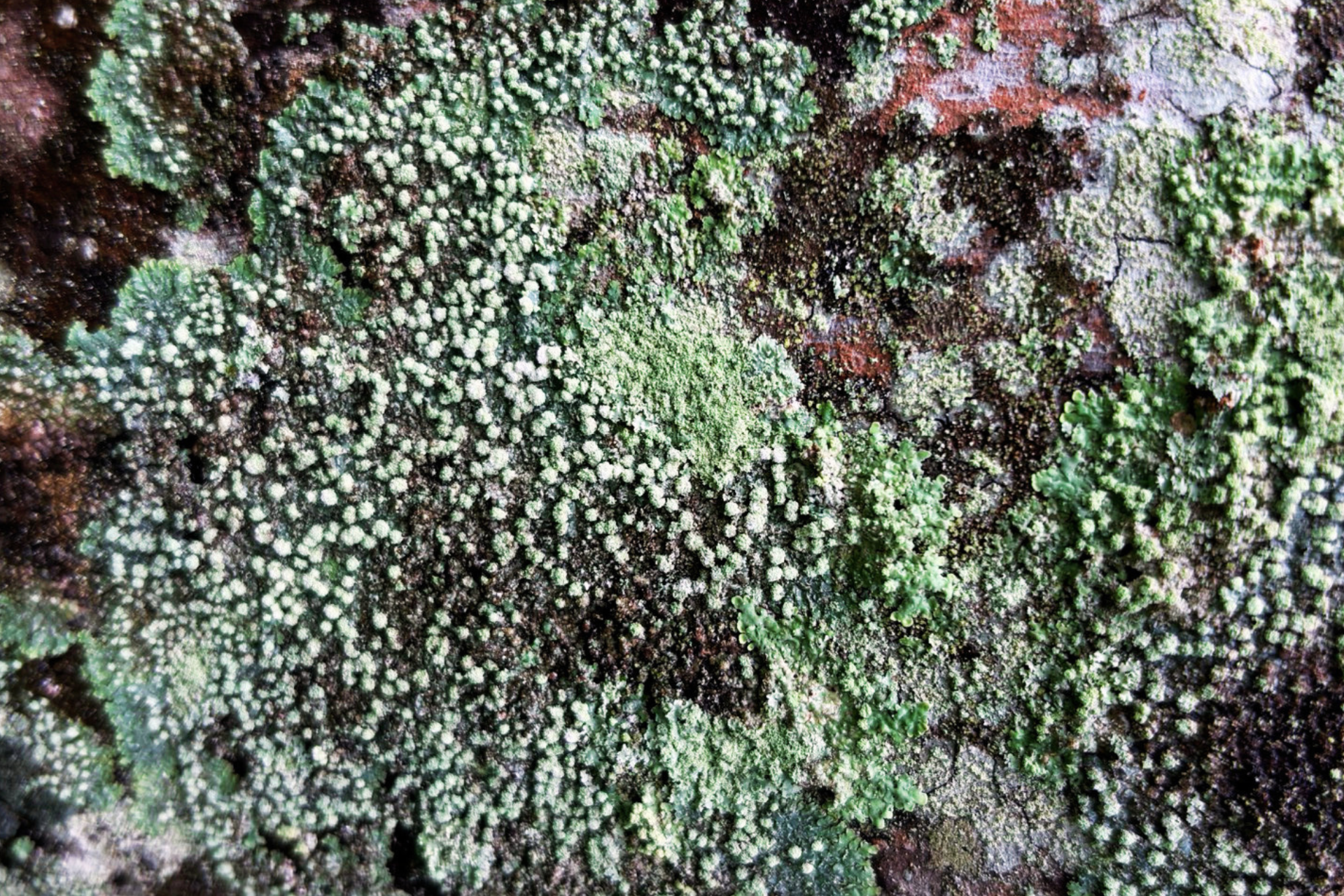
First, they’re slow. Some grow only a few millimetres a year, so a large patch on a tree trunk may be decades old. Second, they’re sensitive to air pollution, especially sulphur dioxide. A tree wearing many kinds of lichen, particularly the bushy ones, usually tells you the air is clean. Researchers in many countries use lichens as a cheap, low tech air quality check.
They’re also pioneers. On bare rock where nothing else can settle, lichens slowly break down the surface and help build the first thin layer of soil, which gives mosses and other plants a place to follow.
I can’t write about lichens without mentioning insects. Lichen makes a superb backdrop for camouflage. Certain moths, katydids, and other bark dwellers have wing patterns that copy lichen so well that you can stare straight at one and see nothing. If a patch of lichen on a branch seems to be sitting a little oddly, look again. It might be an insect holding perfectly still. Some moth caterpillars go further and eat lichen as their main food.
You don’t need any equipment. Spend five minutes at a tree in the resort garden and see how many different lichen types you can find. Check the colours, the shapes, and whether they sit flat or stand up from the bark. Then look closely at the spaces between them, because that’s where the hidden insects tend to be.
One small request: please enjoy them with your eyes only. Pulling off a lichen patch takes a few seconds, but it can take years to grow back.
If you find something interesting, or something you can’t identify, come and tell our naturalist team. We love a good mystery on a tree trunk.
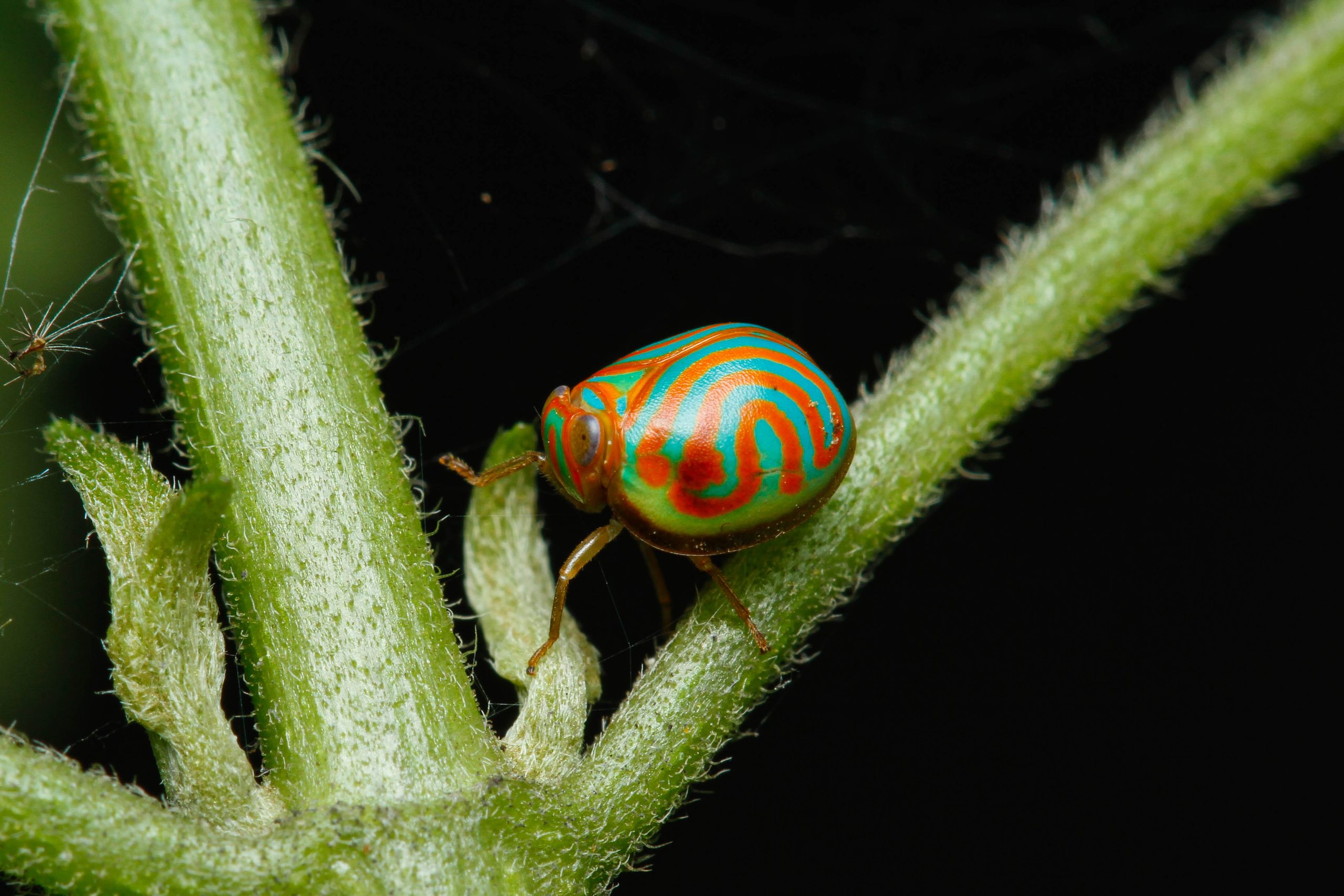
Smaller than a grain of rice—meet Bindusen’s Candy Planthopper (Hemisphaerius binduseni), a living jewel with ancient pottery-inspired patterns found only in Thailand. Discover how to spot this tiny marvel hiding right beside our resort footpaths.
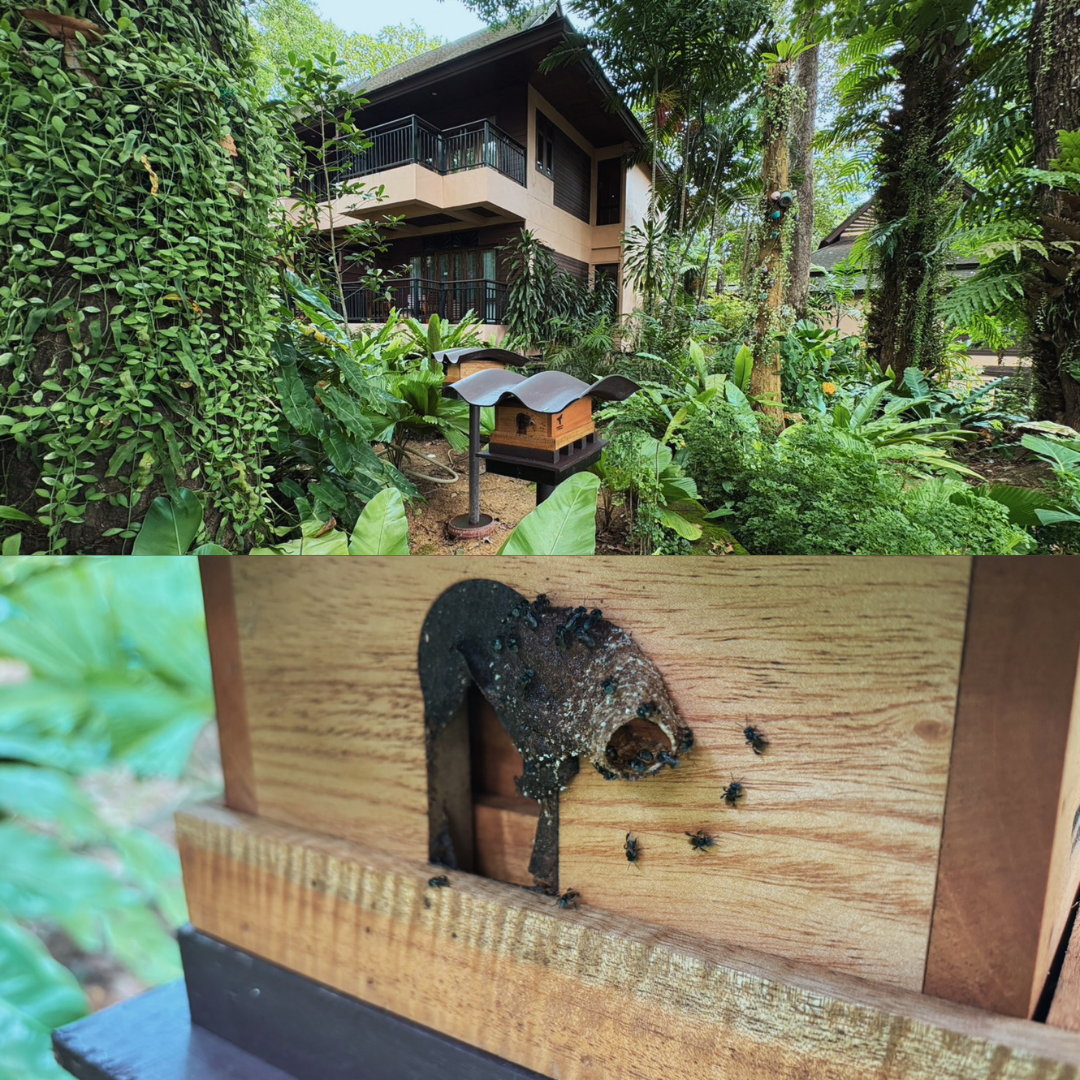
Nature’s Stingless Wonder: Meet Tetragonula pagdeni, the tiny shimmering bee that naturally cannot sting and builds unique waxy hives. Learn how these gentle pollinators live and where to find our three observation boxes around the resort grounds.


Meet the Sea Almond, a coastal giant of extraordinary evolutionary design. From its wind-resistant canopy to bi-annual leaf color changes, this everyday tree is a master of survival. Discover why its leaves hold a secret chemical weapon that aquarium hobbyists love. Dive into its fascinating biology today!

May doesn’t announce itself loudly, but if you pay attention, it quietly holds some of the most urgent reminders on the calendar — from the hum of pollinators keeping our food systems alive, to the ancient patience of turtles that have outlasted extinctions, to the unsung scientists still busy naming the living world before it disappears.

Step outside at dusk in Khao Lak and you will hear it instantly: a rising, pulsing chorus pouring out of the trees. That sound belongs to the cicada, one of southern Thailand’s most fascinating and overlooked creatures. From the garden of Khaolak Merlin Resort to the deep rainforests of Phang Nga, these remarkable insects have been singing the same songs for millions of years. But there is far more to them than noise.


